job interview is one of the most important steps in the hiring process. It is your opportunity to show employers that you are the right person for the position. While your CV may help you get the interview, your performance during the interview often determines whether you get the job or not.
Here at SenateCareerHub we value your career journey. Our goal is to help job seekers prepare better, build strong CVs, and make the right decisions from the beginning.
Many candidates lose great opportunities simply because they are not properly prepared. Understanding what to do and what to avoid can significantly improve your chances of success.
Why Interview Preparation Matters
Preparation gives you confidence. When you know what to expect, you are able to communicate 36clearly and present yourself professionally.
Employers are not only evaluating your qualifications. They are also looking at:
Your attitude
Your communication skills
Your confidence
Your problem-solving ability
Your professionalism
A well-prepared candidate stands out immediately.

What To Do Before the Interview
1. Research the Company
Before attending the interview, learn as much as possible about the company.
You should know:
What the company does
Their services or products
Their mission or values
Recent news about the company
This helps you answer questions more intelligently and also shows the interviewer that you are genuinely interested in the role.
Navy Blue and White Modern Minimalist Company Profile Presentation_20260309_133344_0000
2. Review the Job Description
Carefully read the job description again before the interview. Identify the skills and responsibilities required for the role.
Think about examples from your past experience that demonstrate these skills. Employers often ask candidates to explain how they handled certain situations in previous jobs.
Preparing these examples in advance will help you answer confidently.
3. Practice Common Interview
Questions
Many interview questions are asked frequently across different industries.
Some common questions include:
Tell us about yourself.
Why do you want to work for this company?
What are your strengths and weaknesses?
Where do you see yourself in five years?
Practicing your answers helps you communicate clearly and avoid nervous mistakes.
4. Prepare Your Documents
Always bring the necessary documents to the interview. These may include:
Copies of your CV
Certificates or qualifications
White Blue and Green Modern Medical Imaging Presentation_20260309_140536_0000
Portfolio (if required)
Identification documents
Being organized creates a positive impression.
What To Do During the Interview
Dress Professionally
Your appearance matters. Even if the workplace has a relaxed culture, it is best to dress professionally for the interview.
Clean, simple, and neat clothing helps create a good first impression.
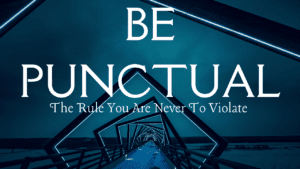
Be Punctual
Arriving late for an interview can immediately damage your chances. Plan your trip and aim to arrive at least 10–15 minutes early.
This gives you time to relax and prepare mentally before the interview begins.
Maintain Good Body Language
Body language communicates a lot about your confidence.
Remember to:
Maintain eye contact
Sit upright
Smile naturally
Avoid crossing your arms
Positive body language helps build trust with the interviewer.
Listen Carefully
Do not rush to answer questions. Listen carefully to what the interviewer is asking.
If you do not fully understand a question, it is perfectly acceptable to ask for clarification.
What Not To Do During an Interview
Do Not Speak Negatively About Previous Employers
Even if you had a bad experience in a previous job, avoid criticizing former employers or colleagues.

Employers may see this as unprofessional behavior.
Do Not Interrupt the Interviewer
Allow the interviewer to finish speaking before responding. Interrupting can appear disrespectful.
Do Not Use Your Phone
Your phone should be switched off or on silent during the interview. Checking messages during the interview shows a lack of respect and focus.
Do Not Give One-Word Answers
Short answers such as “yes” or “no” do not help the interviewer understand your experience.
Provide clear explanations and examples when answering questions.
Ask Questions at the End
Most interviewers will ask if you have any questions. Always prepare a few thoughtful questions.
Examples include:
What does a typical day in this role look like?
What opportunities for growth does the company offer?
What are the next steps in the hiring process?
Asking questions shows interest and curiosity.
Final Thoughts
A successful interview is not just about qualifications. It is about preparation, confidence, and communication.
By researching the company, practicing your answers, and presenting yourself professionally, you can significantly increase your chances of getting the job.
Preparing well for an interview is one of the best ways to move closer to achieving your career goals.